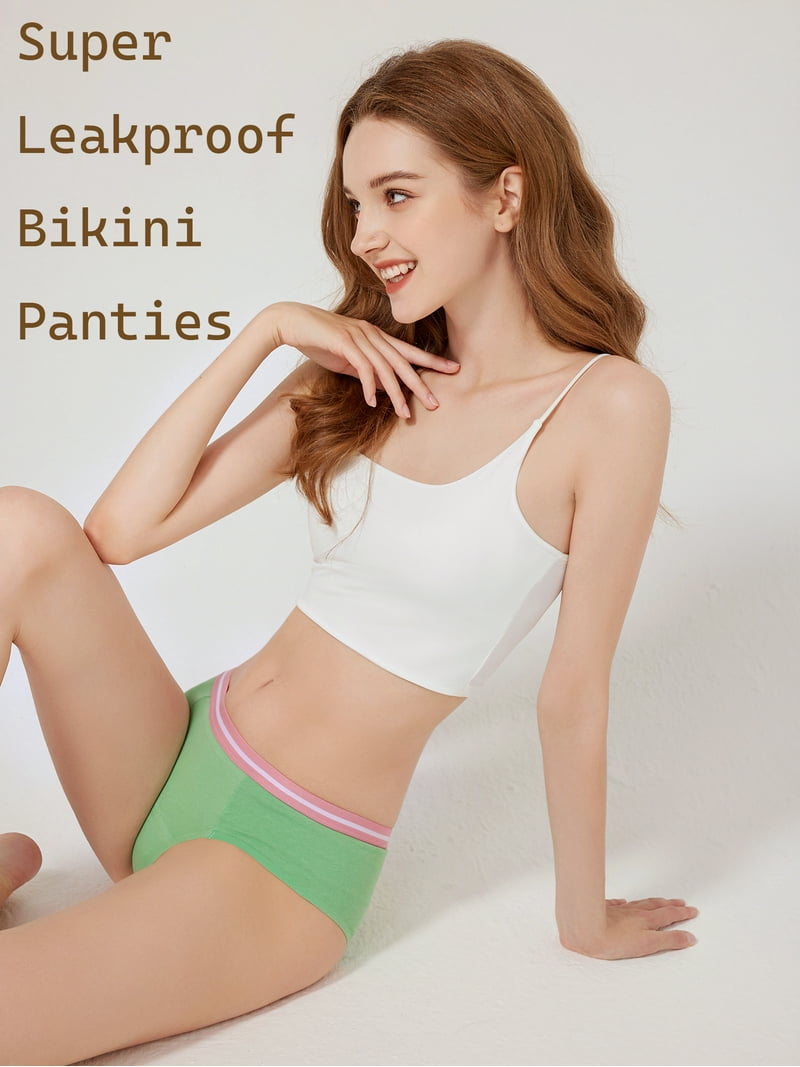
Yes. A period underwear manufacturer can offer low MOQ solutions for startups and growing brands through flexible production systems, shared material sourcing, and private label programs. Many factories accept initial orders from around 100–1,000 pieces, compared with traditional apparel production runs of 5,000+ units. This approach helps brands test designs, collect customer feedback, and expand after confirming demand. Low MOQ services usually include fabric selection, labeling, packaging, and basic customization while maintaining product standards.
The demand for reusable menstrual products has increased in recent years as consumers look for alternatives to disposable products. Market reports from the 2020s show that the global menstrual underwear segment has continued growing, with annual growth rates often estimated above 15% in several market analyses. This growth has encouraged more manufacturers to create flexible production options for smaller brands.
“Low MOQ production allows new companies to introduce period underwear collections without placing large inventory orders before understanding customer preferences.”
Traditional underwear production often requires large quantities because factories need to arrange fabric purchases, machine settings, labor schedules, and quality checks in advance. A specialized manufacturer can reduce order requirements by using existing patterns, standard fabric options, and organized production planning.
A professional period underwear manufacturer may provide different MOQ levels depending on the service model:
| Production Type | Common MOQ Range | Suitable For |
|---|---|---|
| Full custom OEM | 3,000–10,000 pieces per style | Established brands |
| Semi-custom production | 500–3,000 pieces per style | Growing businesses |
| Private label programs | 100–1,000 pieces per style | New market testing |
Low MOQ does not mean removing quality requirements. Period underwear contains several functional layers, and each layer affects absorbency, comfort, and product durability. A typical design may include a moisture-contact fabric, absorbent textile layer, waterproof membrane, and outer stretch fabric.
Manufacturers usually evaluate:
-
Absorbency performance after repeated use.
-
Leakage protection under different fluid amounts.
-
Fabric softness and breathability.
-
Elastic recovery after washing.
-
Stitching strength around high-stress areas.
A 2021 textile performance review found that repeated washing can influence fabric structure and moisture management, making wash-cycle testing important for reusable products. Many suppliers perform testing after 20–50 washing cycles before approving production.
Material selection also affects whether a factory can support smaller orders. Large factories often purchase fabrics in bulk, but low MOQ suppliers may use existing fabric inventories or combine similar material requirements from several customers.
Common material options include:
| Material | Purpose |
|---|---|
| Cotton blends | Soft skin contact and daily comfort |
| Bamboo fibers | Moisture management and softness |
| Polyester blends | Durability and quick drying |
| TPU layers | Waterproof protection |
A manufacturer with established suppliers can usually provide more flexible quantities because it does not need to create a completely new supply chain for every small order.
Customization is another area where MOQ requirements vary. Many brands want unique colors, packaging, labels, and product shapes, but each additional customization step may increase production requirements.
For smaller orders, manufacturers often provide:
-
Existing product designs with private labels.
-
Standard color selections.
-
Custom packaging with lower setup requirements.
-
Adjustable size ranges based on available patterns.
For larger orders, brands may request new fabric development, exclusive designs, and special absorbency structures.
“The most practical low MOQ programs balance customization options with available production resources.”
Lead time is also affected by order size. Standard large production orders may require several months from material preparation to shipment, while smaller private label orders may be completed faster when existing materials are available.
Typical timelines may include:
| Process | Approximate Time |
|---|---|
| Sample development | 7–21 days |
| Sample adjustment | 3–14 days |
| Small batch production | 30–60 days |
| Large production orders | 60–120 days |
These timelines vary depending on design complexity, fabric availability, and inspection requirements.
Quality management becomes especially important when producing smaller batches because each shipment represents a larger portion of a young brand’s customer experience. Manufacturers commonly use inspection systems based on international apparel practices, including fabric inspection, measurement checks, stitching inspection, and final product reviews.
For brands selling in North America, Europe, or Australia, suppliers may also need to support requirements related to textile safety and product labeling. Certifications such as OEKO-TEX® Standard 100 are commonly requested for products that have direct skin contact.
Financial planning is another reason brands choose low MOQ manufacturing. Ordering 500 units instead of 10,000 units changes the initial inventory cost and allows companies to introduce products with less upfront spending.
For example:
| Order Quantity | Production Situation |
|---|---|
| 500 pieces | Suitable for early market testing |
| 2,000 pieces | Suitable for growing online brands |
| 10,000+ pieces | Suitable for established distribution |
Although the unit price of a smaller order may be higher, many businesses prefer smaller quantities during the first product launch because they can adjust future production according to customer response.
Choosing a suitable manufacturer requires reviewing several factors:
-
Previous experience with menstrual products.
-
Available MOQ options.
-
Production capacity.
-
Material sources.
-
Quality inspection process.
-
Export experience.
-
Communication efficiency.
A factory that only produces standard underwear may not have the equipment or knowledge needed for period underwear structures. Brands should review samples carefully and confirm testing information before placing production orders.
The rise of online retail has also increased demand for smaller production runs. Since around 2020, many direct-to-consumer brands have focused on smaller product launches, limited collections, and frequent design updates. Flexible manufacturing allows companies to introduce different styles, such as high-waist designs, postpartum underwear, teen products, and sports-focused options.
“Low MOQ manufacturing gives smaller brands more flexibility while they build their product range step by step.”
As the reusable menstrual product market continues developing, manufacturers with flexible order policies, reliable quality systems, and customization support will continue to attract new businesses. Low MOQ solutions allow brands to enter the market with smaller quantities while keeping the option to increase production as demand grows.